 stLouIST
Aggregator
Man dies after 3 vehicles hit him in Downtown St. Louis
A man has died after being hit by three vehicles in downtown St. Louis Thursda
Build-A-Bear Workshop opening new concept in Chesterfield
Build-A-Bear Workshop Inc. (NYSE: BBW) said it's opening a new store concept in Chesterfield this month.
The retailer, which is based in St. Louis, said its first Build-A-Bear Adventure will open at 17353 Edison Ave., a space held by an entity tied to THF Realty, on March 21.
The "ultimate party destination" is to feature a workshop in which customers build their own toy bears, but also a bakeshop, arcade room, selfie rooms and private party rooms, the company said.
Its website said packages,…
St. Louis County's new chief of staff ready to serve community that raised him
Ferguson native Calvin Harris, II is back home as the newly appointed Chief of Staff for St. Louis County Executive Dr. Sam Page.
Where are the pictures of the Ukraine war?
There is something peculiar about the photojournalism of the Ukraine war. I've seen pictures of missiles arcing through the sky. I've seen pictures of blasted out buildings. I've seen pictures of refugees piling into trains. I've seen pictures of Russian soldiers walking through the empty streets of Kherson. I've seen satellite pictures of Russian convoys. ...continue reading "Where are the pictures of the Ukraine war?"
Missouri elected leaders decry Russian invasion of Ukraine
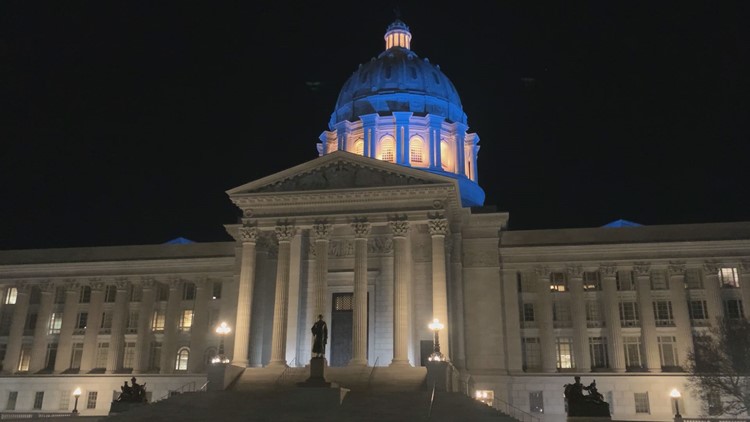
Ballwin police mourning officer who died unexpectedly
The Ballwin Police Department is mourning the loss of a beloved officer who died suddenly at his home.
St. Louisans collecting donations, hosting rallies in support of Ukraine
More Statuary at the Orpheum Theater downtown
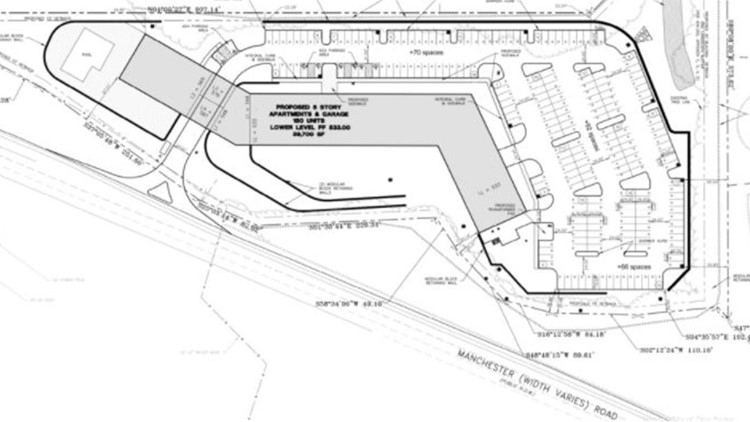
Des Peres doesn't allow apartments, but a developer wants to change that with a plan for 180 units
Owl in TGP - what do you call it?
Appeals court says that Nixon’s attempt to prosecute Pentagon Papers reporter must stay secret — 50 years later
Images by: manhhai and Dr Umm via Flickr
Fifty years ago the federal government tried to prosecute a New York Times journalist for publishing classified information. Since 2018, historians and press freedom advocates have been trying to unseal the mysterious grand jury case, but an appeals court has just ruled it will stay secret — public interest be damned.
Most everyone with an interest in press freedom knows about the seminal First Amendment Supreme Court case New York Times Co. v. United States, where then-President Richard Nixon and his administration notoriously attempted — and failed — to censor The New York Times for publishing the Pentagon Papers.
What many people do not know is that after that Supreme Court ruling, Nixon’s Justice Department also attempted to prosecute Times reporter Neil Sheehan, and potentially others, under the Espionage Act for gathering and publishing the classified study about the Vietnam War that would make up the Times’ legendary investigative series.
Former Times general counsel James C. Goodale recounted the events in 2013, which is one of the only contemporary descriptions of this important but oft-forgotten aspect of press freedom history:
The government's "conspiracy" theory centered around how Sheehan got the Pentagon Papers in the first place. While Daniel Ellsberg had his own copy stored in his apartment in Cambridge, the government believed Ellsberg had given part of the papers to anti-war activists. It apparently theorized further that the activists had talked to Sheehan about publication in the Times, all of which it believed amounted to a conspiracy to violate the Espionage Act.
Sheehan's wife, Susan, a reporter for The New Yorker, also was named in the government's case before the grand jury. A Who's Who of Boston-based reporters and anti-war activists were then forced to testify, including New York Times reporter David Halberstam, anti-war activists Noam Chomsky, Howard Zinn, and two senatorial aides to Mike Gravel and Ted Kennedy. Harvard Professor Samuel Popkin would even serve a week in jail for refusing to testify as to his sources, citing the First Amendment right to keep them confidential.
Thankfully, the grand jury failed to bring charges and the DOJ eventually dropped its case. But we largely do not know why, or the full extent of the DOJ’s investigation.
Historian Jill Lepore has been on a years-long legal quest to have documents from this same grand jury investigation unsealed once and for all. For a while it looked like she would succeed. A district court had previously granted at least some of her request. But the First Circuit Court of Appeals overturned that ruling earlier this week, making it uncertain whether the 50+-year-old documents will ever see the light of day. It is a disappointing ruling, one that also flies in the face of precedent in other circuits that says judges can indeed release this type of information to serve the public interest.
This case is particularly important because for the first time since then, the Justice Department is again trying to charge someone with “conspiracy to violate the Espionage Act” related to receiving and publishing classified information. WikiLeaks founder Julian Assange currently sits in prison in the United Kingdom, appealing extradition to the United States, where he faces 17 counts under that same law. Virtually every press freedom group in the world has condemned the charges as a threat to press freedom.
Supporters of the Assange prosecution often argue that “the U.S. would never prosecute a real journalist using these tactics.” Well, the Nixon administration attempted to do just that, and it’s vitally important for both the historical record and current events that we see exactly what happened 50 years ago. And use that information to make sure it never happens again.
You can read the full ruling by the First Circuit Court of Appeals via Reporters Committee for Freedom of the Press, below:
MOSERS board votes to divest pension fund of Russia-linked investments
The Missouri State Employees Retirement System will dump investments tied to Russia and bar investment managers from making future purchases of Russian securities, the Board of Trustees decided Thursday. The board held a special meeting in response to the call from state Treasurer Scott Fitzpatrick to divest. After a brief discussion, including a presentation from […]
The post MOSERS board votes to divest pension fund of Russia-linked investments appeared first on Missouri Independent.
Iron Maiden cancels concerts in Russia & Ukraine
Iron Maiden has become yet another rock artist to have concerts canceled because of Russia's invasion of Ukraine. The legendary U.K. heavy metal band has scrapped shows in Kyiv, Ukraine,…
Police investigate fatal shooting in Ville neighborhood
A man was fatally wounded Wednesday morning in the Ville neighborhood, police said.
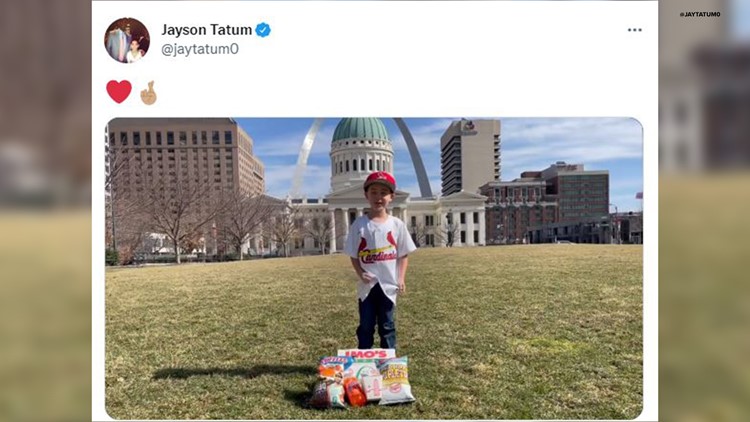
'Happy birthday, daddy': Jayson Tatum's son, Deuce, has St. Louis-inspired birthday message for dad
More delay on bill creating ‘protection’ district around new north St. Louis NGA campus
An aldermanic committee had been scheduled to discuss the bill Thursday but the sponsor says more behind-the-scenes talks are needed to work out details.
Change to bill cutting sales tax on food transformed it into massive tax hike
With a change of just a few words, a bill to expand the sales tax exemption for food purchases became a bill virtually ending the exemption, infuriating its sponsor and forcing a …
St. Louis tax preparer gets 4+ years for filing false tax returns
Robyn Tiffany Roberts admitted filing at least 18 false and fraudulent tax return on behalf of 10 clients, and was sentenced to 4 1/2 years in the case.